The 2016 Animal Law Conference brought together attorneys, scholars, students, policymakers, and advocates for a dynamic weekend of education, discussion, and collaboration focused on advancing animal protection through law, culture, and public policy.
Dates & Location
October 7–9, 2016
Multiple venues
New York, New York
Our Sponsors
- Donor Point Marketing
- The Moxie Foundation
- RKD Alpha Dog
- Beyond Meat
- Happy Cow
- Janet Holmes
Highlights & Reflections
The 2016 Animal Law Conference was held October 7–9, 2016, across several venues in New York City, including the Manhattan Penthouse, the Schimmel Center, and Pace University. The event offered a full weekend of substantive programming, community-building, and forward-looking discussion on some of the most pressing issues at the intersection of animals, law, and culture.
The conference opened on Friday evening with a welcome reception and awards ceremony at the Manhattan Penthouse overlooking Union Square. Attendees enjoyed networking, plant-based appetizers, and remarks from conference leaders and New York State Assemblymember Linda B. Rosenthal. The evening also featured the presentation of the Animal Legal Defense Fund’s 2016 Advancement in Animal Law Pro Bono Achievement Awards, recognizing outstanding contributions to the growth of animal law.
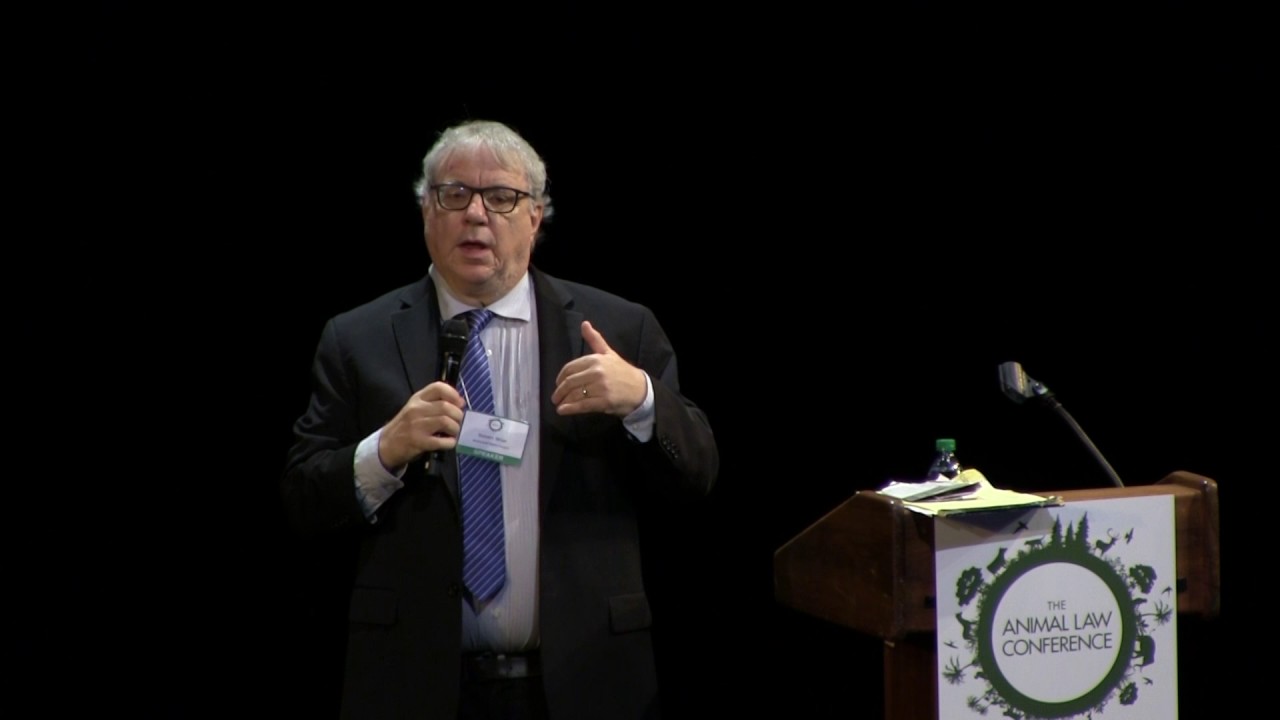
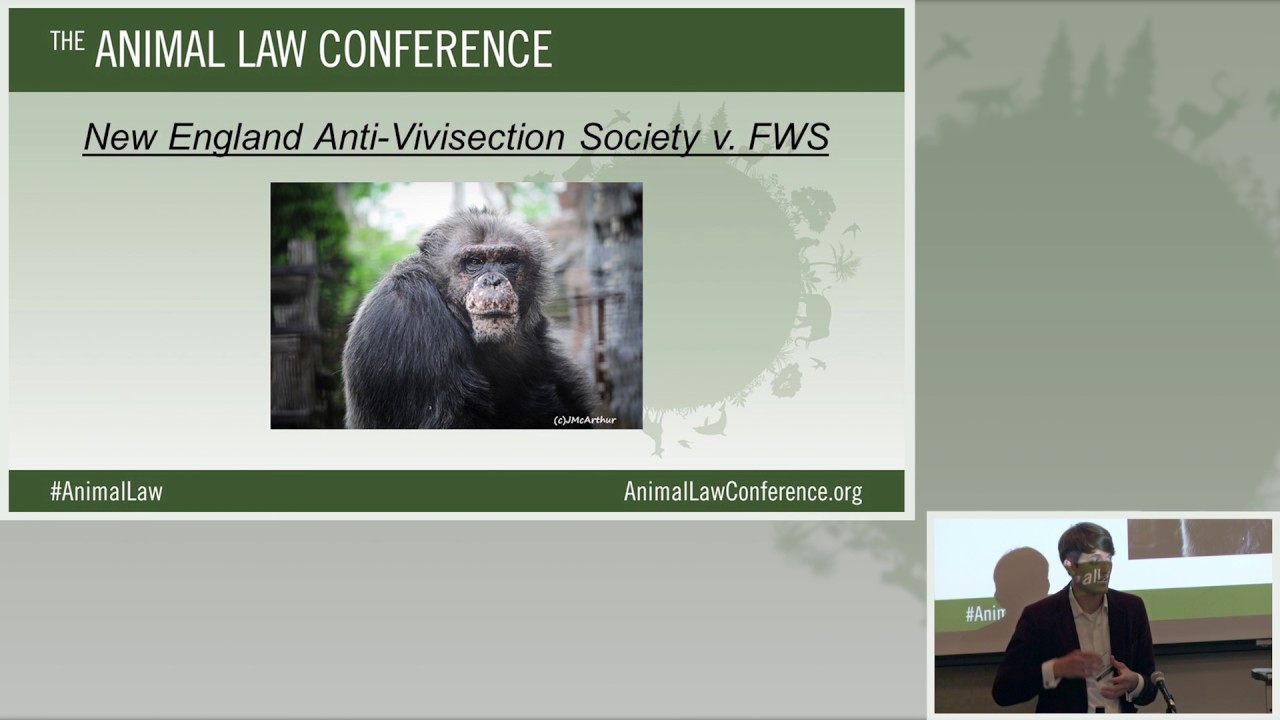
Saturday’s programming began with a welcome address followed by a keynote presentation from Steven Wise, President of the Nonhuman Rights Project. Wise offered an inspiring and thought-provoking exploration of the movement to secure legal personhood for nonhuman animals, reflecting on landmark chimpanzee rights cases and the evolving role of the courts and public opinion. A book signing followed his keynote.
The day continued with panels examining current legal strategies and emerging challenges across the field. Sessions addressed litigation approaches to factory farming, innovation in plant-based and cruelty-free food systems, the welfare and legal status of military working dogs, and the growing body of law and science surrounding aquatic animal protection. Throughout the day, attendees engaged with leading experts and advocates working to reshape our legal and cultural relationship with animals.
Sunday’s sessions at Pace University offered a blend of practical skill-building and big-picture thinking. Topics included careers in animal law, ethical considerations for animal law practitioners, First Amendment challenges connected to animal advocacy work, student scholarship presentations, captive wildlife issues, and diversity within the animal protection movement. Additional panels highlighted recent developments in litigation and legislation, as well as emerging global trends in animal protection.
The weekend concluded with closing reflections from Stephen Wells and Pamela Frasch, emphasizing the importance of cross-disciplinary collaboration, continued legal innovation, and the expanding cultural awareness needed to build a more just world for animals.
The 2016 conference offered a memorable and meaningful gathering in the heart of New York City, one that celebrated the momentum of the movement and inspired attendees to push the boundaries of what is possible for animals under the law.
If you missed the 2016 Animal Law Conference, session recordings and materials are available to explore the ideas and insights shared throughout this landmark event.
Friday
Welcome Reception and Awards Ceremony
The conference will kick off with an evening reception at the Manhattan Penthouse, near Union Square. We invite you to enjoy appetizers and drinks while networking with fellow conference attendees. The Animal Legal Defense Fund will also present the 2016 Advancement in Animal Law Pro Bono Achievement Awards.
Welcomes & Introductions
Awards Ceremony
Saturday
Welcome
Keynote Presentation
Probably the best known attorney in the animal rights movement, Steven Wise is the President of NHRP, a group whose mission is “to change the legal status of appropriate nonhuman animals from mere ‘things,’ which lack the capacity to possess any legal right, to ‘persons,’ who possess such fundamental rights as bodily integrity and bodily liberty.” Its first lawsuits were filed in 2013 on behalf of four captive chimpanzees in New York State. Wise will address what these lawsuits have accomplished in the court of public opinion, what challenges are looming, and the future of legal rights for nonhuman animals.
Introduction: Stephen Wells, Executive Director, Animal Legal Defense Fund
Break
Book signing in lobby by Steven Wise, President, Nonhuman Rights Project
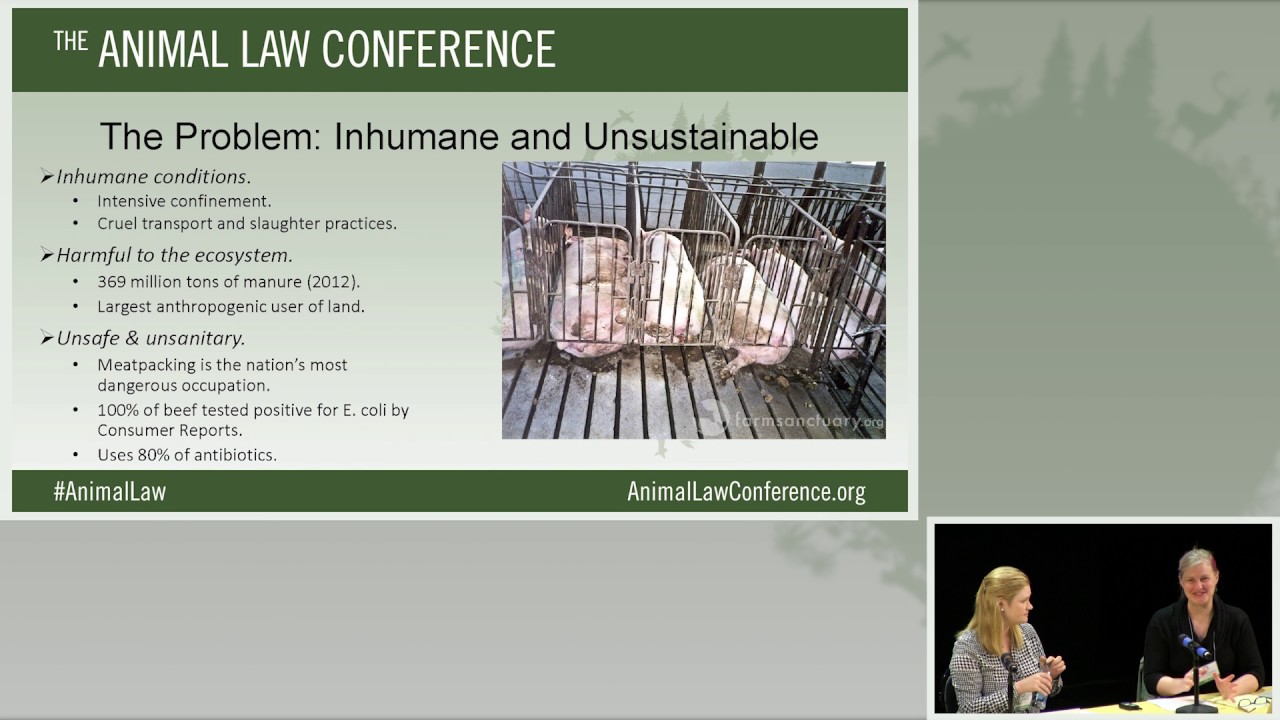
Current Litigation Approaches to Factory Farming
Factory farming is one of the most significant animal protection issues of our time. The negative effects of this egregious system on the animals, the environment, and human health are similar in all places where factory farming is in place. Our panelists will explain the legal approaches being taken to counter this national (and international) issue.
Lunch
We will have a 75 minute lunch break for participants to grab a bite to eat in one of the many nearby restaurants or food carts. We recommend consulting our Plant-Based Dining Guide or Happy Cow, for restaurant options in the area. Best Bites of the Big Apple is another great resource for local plant-based dining options.
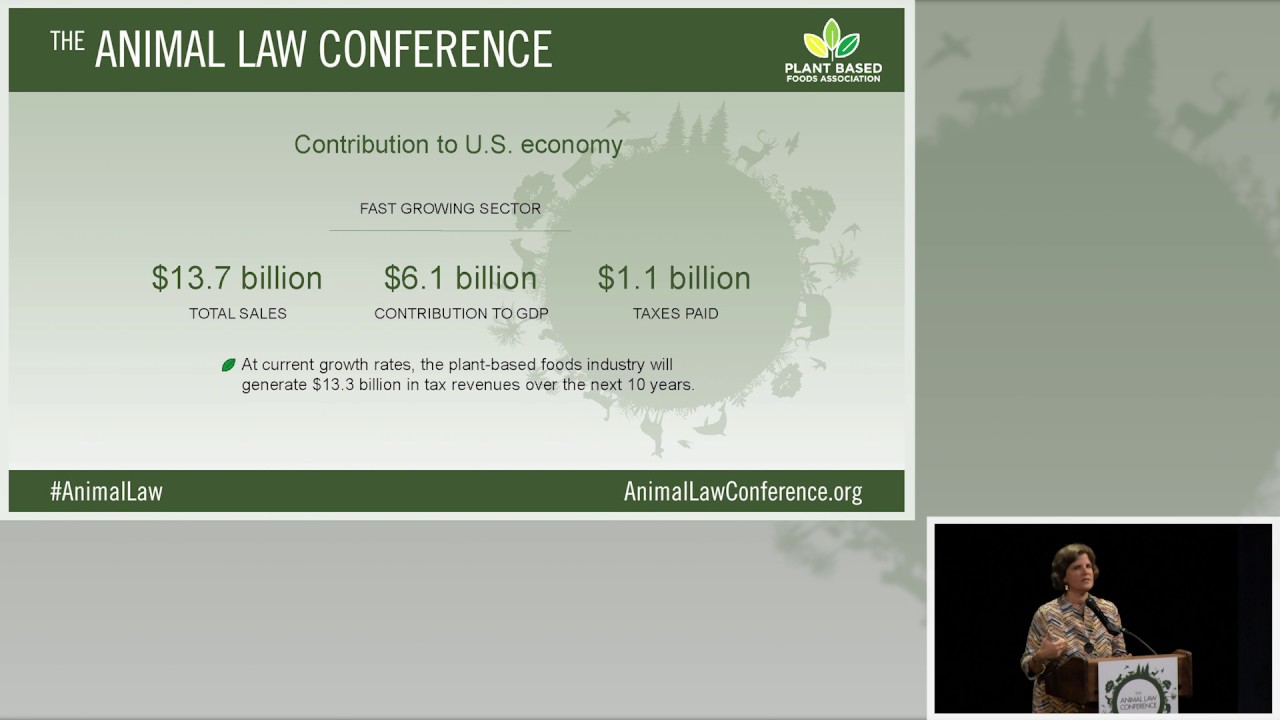
Shaking Up the Food Supply: Reimagining Our Plates
“Remaking meat is one sector of the food industry that is ripe for innovation and growth.” ~ Bill Gates
One of the most exciting developments in the animal protection movement is the growth of start-up and well-established businesses creating products that replace animal ingredients: plant based meats, and foods made without eggs or dairy. These companies are audacious and, in some cases, well-funded. Hear the latest from this cutting-edge industry.
Break
Book signing in lobby by Steven Wise, President, Nonhuman Rights Project
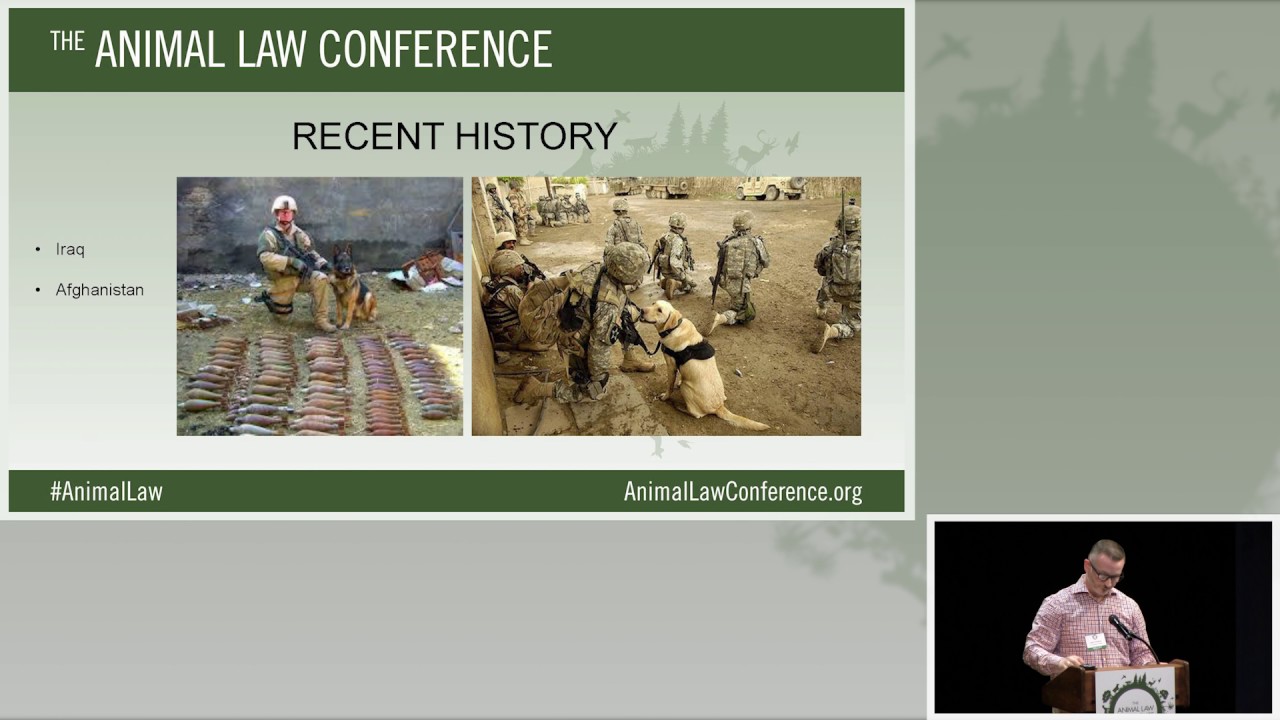
Military Working Dogs: War Heroes Treated as Property
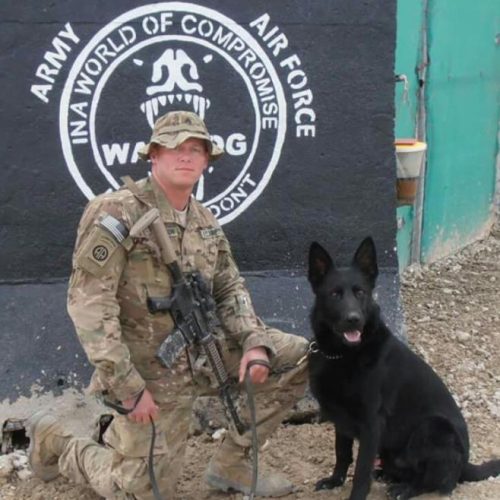
Currently, more than 2,500 military working dogs (MWDs) serve in the United States Armed Forces. Because of their unique ability to detect life-threatening situations, it is estimated that a MWD may save the lives of 150 to 200 soldiers, resulting in far more soldiers returning home to be reunited with their loved ones. What happens to these dogs after they are no longer useful to the military? This panel will address Robby’s Law, a federal law intended to assure that MWDs are no longer left behind overseas as surplus equipment; the controversy surrounding the application of Robby’s Law; the physical and psychological challenges that retired MWDs face and a recognition of the undeniable bond between military dogs and the human soldiers they served beside.
Break
Book signing in lobby by Steven Wise, President, Nonhuman Rights Project
Aquatic Animal Law
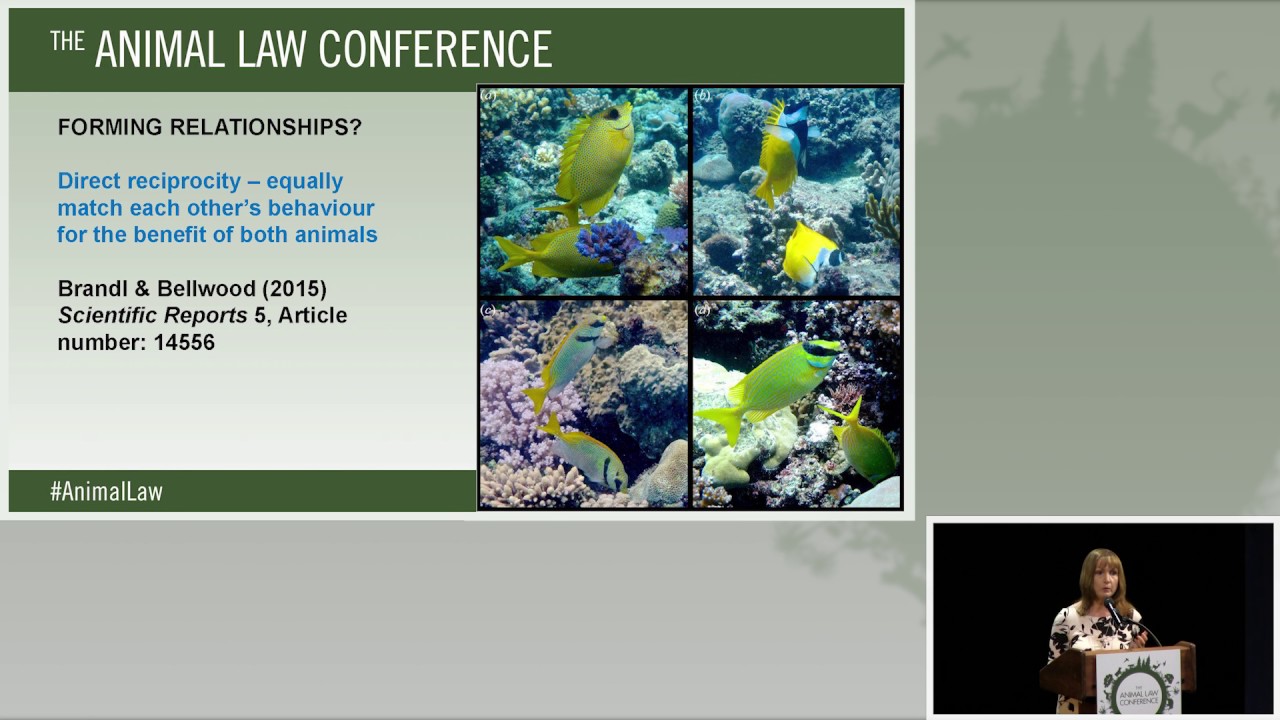
Aquatic animals are often left out of conversations identifying problems and priorities for animal protection. They are generally excluded entirely from the legal frameworks of protection and regulation upon which advocates for other animals may rely. Additionally, there is too little understanding about the physical, psychological, and emotional capacities of these animals. This is compounded by too little information regarding the animal welfare, environmental, public health, consumer, and worker safety issues associated with aquatic animal production, transportation, slaughter, processing, breeding, testing, use, and exhibition. This panel will address some of the scientific and legal aspects of these matters in order to foster more informed policy development and will explore opportunities for multidisciplinary collaboration and problem-solving.
Sunday
Careers in Animal Law
A career in animal law! That’s what’s on everyone’s mind. Whether it be non-profit, governmental, private practice, or corporate employment, these experts will provide the tools and information you need to start your career in animal law.
Ethics and Animal Issues
Kick off the morning with an exciting, interactive session exploring some of the most challenging ethical dilemmas animal law attorneys face in both practice and volunteer positions. Animal law expert Russ Mead will lead attendees through a series of hypothetical scenarios, which will examine difficult situations and how to handle them effectively while adhering to the Model Code of Professional Responsibility.
Break
Animals and the First Amendment
The first amendment has an important role in the litigation of animal rights work. Cutting-edge free speech doctrines – ranging from the right to lie, to the right to record and to prohibitions on buffer zones – are at the core of challenges to Ag-Gag laws, food libel laws, and possibly hunter harassment statutes. At the same time, supporters of animal protection often find themselves supporting prosecutions, statutes, and limits on the uses of animals for art that may have free speech implications. In addition to the Free Speech Clause, the Free Exercise Clause and related religious liberty statutes have also been successfully used to challenge the application of animal welfare laws. Just how vulnerable such laws may be to future challenges remains profoundly unclear in light of the Supreme Court’s unsettled religious freedom jurisprudence.
Inaugural Law Student Scholarship Panel
Students, the next generation of animal lawyers and policy makers, are already doing great work exploring cutting edge legal theories as well as considering practical ways to use the law to help animals. For the first time, we are showcasing some of this work. This panel features three authors chosen to present their papers, which were selected by a committee of prominent practicing attorneys from over 30 submissions. These students, as well as those who received honorable mention for their submissions, will have the opportunity to have their papers posted on the conference website. Come and hear their ideas and help shape the conversation as it moves forward.
Papers that received honorable mentions, along with all other materials submitted by conference speakers, are posted on our conference Resources page.
Introductions: Nicole Pallotta, Academic Outreach Manager, Animal Legal Defense Fund
Break
Captive Wildlife
The past decade has marked a significant shift in human perception of wildlife, with many accepting that wildlife ought to be free to live independent of humans. This panel will provide insights into what has worked to make a dent in the status quo for captive animals and what we can expect in the future.
Gender and Race within the Animal Protection Movement
Charges of racism and sexism within the animal protection movement are causing some to question whether it is time for a broad-based internal reflection and hard questions. These experts will explain the problem and explore solutions.
Break
What’s New in Litigation and Legislation?
A perennial favorite at the Animal Law Conference, we bring the experts to you. The field of animal law is developing at a blazing speed, and it can be hard to stay on top of the latest, and most important developments. This panel will explore exciting state and federal animal law legislation and litigation that advocates need to know now.
Animal Law around the Globe
Animal protection issues around the globe have become increasingly complex in recent years. With illegal poaching, intensive farming, and ritualistic killing on the rise, no one can afford to ignore the problems that occur across borders. This panel of experts will reveal the most important, and troubling, trends in animal protection, and discuss the role the United States has played in promoting or curbing those trends. Attendees will leave with a greater understanding of the challenges facing wild and domesticated animals in select countries, and what they can do to help.
Closing Remarks
Closing Remarks
Our conference panelists submitted the following materials. The materials, although not necessarily written by the individual panelists, were relevant to their panel topics. These are also the materials applicable to MCLE registrants. We did not have binders or CD/DVDs of materials available for purchase at the conference, but attendees were able to access this page via our Digital Event Guide.
Keynote by Steven Wise
- Nonhuman Rights Project v. Presti, NY Opinion 2013
- Nonhuman Rights Project v. Presti, NY Appeal Opinion 2016
- Chimps have feelings and thoughts. They should also have rights.
Current Litigation Approaches to Factory Farming
- Jessica Culpepper & Eli Holmes’ PPT
- Community Assoc. for Restoration of the Environment, Inc. v. Cow Palace, 2015 WA Opinion.
- Romero v. De Vries, CA Complaint 2014
- Holmes – New Mexico CAFO Regulations Comments
- 60 Day Notice Violations of ESA, 2016
Shaking Up the Food Supply: Reimagining Our Plates
- Chris Kerr’s PPT
- Michele Simon’s PPT
- Tech startups are moving into the food business to make sustainable versions of meat and dairy products from plants
- Government policies support environmentally harmful meat production
- Social Psychology and the Value of Vegan Business Representation for Animal Law Reform
- “V” is for Vegetarian: FDA-Mandated Vegetarian Food Labeling
- This man is trying to reinvent the food industry, from scratch
- The Bill Gates-backed company that’s reinventing meat
- The Hottest Tech in Silicon Valley Made this Meatball
- Future of Food
Military Working Dogs: War Heroes Treated as Property
- Mark Eichelman & Ryan Henderson’s PPT
- Soldiers: The Army Gave Away Our Military Dogs Behind Our Backs
- National Defense Authorization Act
Aquatic Animal Law
- Kathy Hessler’s PPT
- Lynne Sneddon’s PPT
- Animal Law Conference Resources
- Aquatic Environment, Housing, and Management in the Eighth Edition of the Guide for the Care and Use of Laboratory Animals: Additional Considerations and Recommendations
- Cognitive ability and sentience: Which aquatic animals should be protected?
- Defining and assessing animal pain
- Guide for the Care and Use of Laboratory Animals: Eighth Edition
- Pain Perception in Fish
- Pain in aquatic animals
- Legislation to Protect the Welfare of Fish
- Key issues concerning environmental enrichment for laboratory-held fish species
Careers in Animal Law
- 14 Tips on Getting a Job in Animal Rights
- Model Animal Protection Laws
- Opportunities in Animal Law
- Adoption Events
- Saving Lives
- Helping Pets and People in Crisis
- NYC Feral Cat Initiative
- 2014 Progress Report
- Wheels of Hope
- Investigating & Prosecuting Animal Abuse
Ethics and Animal Issues
Animals and the First Amendment
- Lukumi at Twenty: A Legacy of Uncertainty for Religious Liberty and Animal Welfare Laws
- ALDF v. Wasden, Ninth Circuit Answering Brief 2016
- Lukumi at Twenty: A Legacy of Uncertainty for Religious Liberty and Animal Welfare Laws
Inaugural Law Student Scholarship Panel
- Caitlin Foley’S PPT
- Elizabeth Foubert’s PPT
- Occupational Licensure E Foubert
- Angie Ostrowski’s PPT
- Regulating Feedlots: Approaches to Containing Concentrated Animal Feeding Operations
- (Elephant) Death and Taxes: Proposed Tax Treatment of Illegal Ivory
Honorable Mention Papers
- Chimpanzees in Court: Limited Legal Personhood Recognition for Standing in Court to Challenge Captivity and Abuse. Davidson Anestal, FAMU, 2017
- Declawing the Legislature: Using Direct Initiative for the Ban or Limitation of Declawing Practices in the United States. Samantha Payne, Florida Coastal School of Law, 2015
- Giant Injustice: The Illegality of Elephants in Captivity. Laura Beth Jackson, Emory, May 2016
- Sinclair’s Nightmare: SLAPP-ing Down Ag-Gag Legislation As Content-Based Restrictions Chilling Protected Free Speech. Jeffrey Vizcaino, FAMU, 2017
- The limited influence of religious argument in the battle for a fairer legal status of animals used for food. Alice DiConcetto, L&C LLM, 2016
- The Gopher Tortoise: A Florida Keystone Species that Deserves Endangered Species Act Protection in Addition to its Existing State Protections. Ashley Baillargeon, FAMU, 2016
- The Gradual Move Toward Nonhuman Personhood: Assessing the Moral and Legal Implications of the New Animal Rights Movement. Justin Beck, Pepperdine, 2016
- The Unfair Chase: A Federal Approach to Eliminate Canned Hunting. Christian Bucey, MSU, 2017
- Why Congress Should Remove the National School Lunch Act Milk Requirement. Alene Anello, Harvard Law School, 2016
- Working towards a Dust Bath: How a Tax on Chicken Meat Could Improve Animal Welfare. Jessica Brockway, Lewis & Clark Law School, 2016
Captive Wildlife
- Jessica Blome’s PPT
- Delcianna Winders’ PPT
- ALDF v. Proie, 11th Circuit Opinion 2015
- ALDF v. Vilsack, DC Order Granting Defendant’s Summary Judgment Motion 2016
- Hill v. Coggins, NC Opinion 2015
- Kuehl v. Sellner, Iowa Order Denying Defendant’s Motion to Stay 2016
- Kuehl v. Sellner, Iowa Preliminary Injunction Order 2016
- Kuehl v. Sellner, Iowa Opinion 2016
- PETA v. Miami Seaquarium, Florida Opinion 2016
- Assessing the Efficacy of Warnings as an Administrative Sanction
- Passed Senate Bill to Ban Bullhooks in California 2016
Gender and Race within the Animal Rights Movement *Non CLE
- Joyce Tischler & Carolyn Walker’s PPT
- Why Animal Liberation Requires an Epistemological Revolution
- 3 Reasons Black Folks Don’t Join the Animal Rights Movement – and Why We Should
What’s New in Litigation and Legislation?
- Sara Amundson’s PPT
- Christopher Berry’s PPT
- ALDF v. C.L. Butch Otter, Idaho Opinion 2015
- R. v. D.L.W., Canada Opinion 2015
- Midterm Report for the 114th Congress
- AWARE Act Factsheet
- Reform Commodity Checkoff Bills Factsheet
- Protect Native Carnivores on Federal Lands in Alaska
- Block Harmful Endangered Species Act Attacks
- The Humane Cosmetics Act
- Support USDA’s Proposed Rule on Organic Livestock and Poultry Practices
- Support the Preventing Animal Cruelty and Torture Act
- Support the Safeguard American Food Exports (SAFE) Act
- The Obama Administration’s Top Animal Accomplishments
- Support the Thoroughbred Horseracing Integrity Act
- Support the Wildlife Trafficking Enforcement Act, the Global Anti-Poaching Act, and the Targeted Use of Sanctions for Killing Elephants and Rhinoceros Act
- Support the Prevent All Soring Tactics (PAST) Act – S. 1121/H.R. 3268
- ALDF Comments to NIH Chimera Policy 2016
- ALDF Motion to Intervene in Cricket Hollow Zoo Case 2015
- ALDF Petition to HHS Chimera Policy 2013
- Graham v. San Antonio Zoo (Lucky the Elephant) Complaint 2015
- USDA Complaint Against Cricket Hollow Zoo 2015
Animal Law around the Globe
- Charlotte Blattner’s PPT
- David Cassuto’s PPT
- Uncertainty and Markets for Endangered Species under CITES
- A Tale of Two CITES: Divergent Perspectives upon the Effectiveness of the Wildlife Trade Convention
- Enforcing CITES: The Rise and Fall of Trade Sanctions
- Trade bans: a perfect storm for poaching?
- Why Rhino Poaching isn’t High on the CITES Agenda
- Global Animal Law
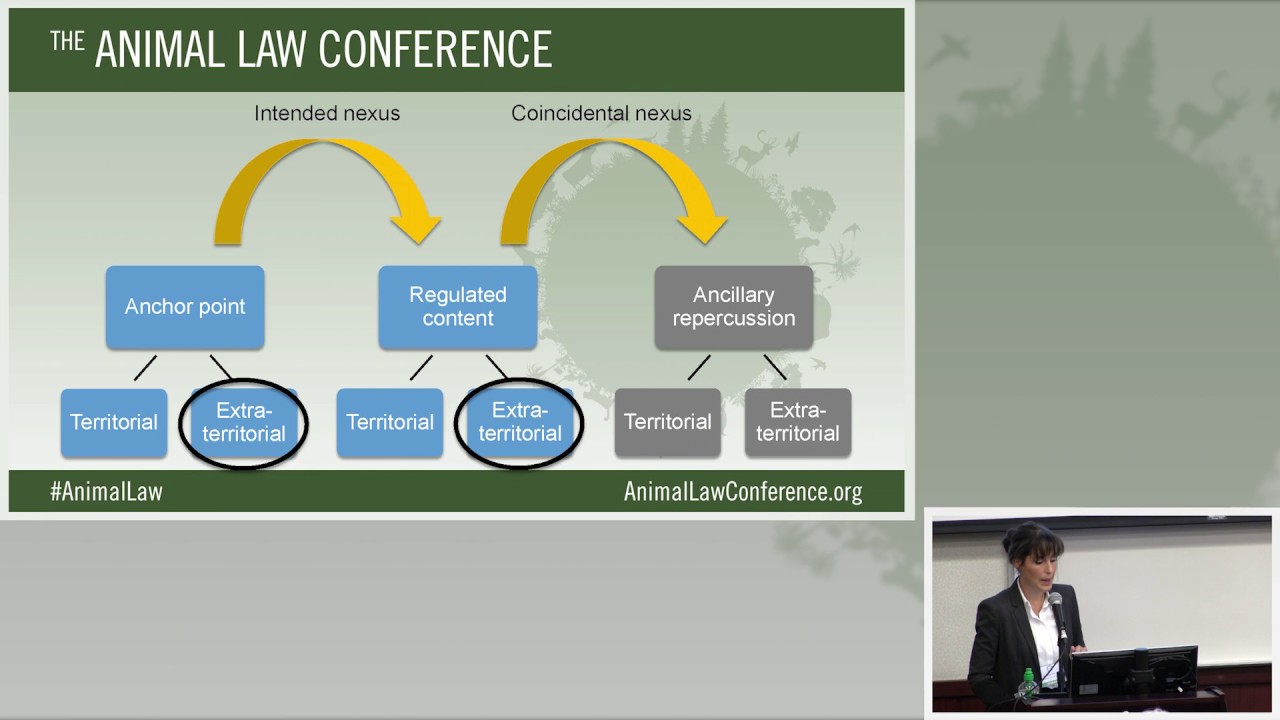
- Extraterritorial Jurisdiction: Lessons from the business and human rights sphere from six regulatory areas
The Animal Law Conference was approved for Continuing Legal Education (CLE) credits through the New York State Bar Association (NYSBA). The NYSBA accredited the conference for 7 Areas of Professional Practice hours for the sessions that took place on 10/8 and 4.5 hours for the sessions that took place on 10/9, including 3.5 Areas of Professional Practice hours and 1 Ethics and Professionalism hour (or 4.5 Areas of Professional Practice hours, depending on which sessions were attended). CLE credits were included with registration and everyone who signed in/out will receive a certificate of attendance and CLE survey.
The conference was also approved for a total of 10.25 CLE credits in Oregon, including 1 hour of Ethics credit and 1 hour of Access to Justice credit (depending on which sessions were attended). The conference was also approved for 12 CLE credits in Wisconsin, including 1 hour of optional Ethics and Professional Responsibility credit.

Anyone seeking credit in other states should submit approval paperwork to their local bar association CLE boards or retain their certificate of attendance for their records, if their state has a reciprocal agreement with New York.

Please direct any questions relating to CLE credits to events@aldf.org.
Information via the American Bar Association (ABA) regarding CLEs.
Watch all sessions here
Playlist
1:23:16
1:11:36
1:12:31
1:04:55
1:17:02
58:58
46:13
1:01:29
57:13
59:16
1:00:48
56:39