




2013 21st Annual Animal Law Conference

The 21st annual Animal Law Conference brought together leading legal scholars, practitioners, students, and advocates at Stanford Park Hotel for a weekend of thoughtful dialogue on the evolving field of animal law. Hosted in California’s Bay Area, the conference explored cutting-edge legal strategies, interdisciplinary collaboration, and emerging challenges facing animals through the lens of law, ethics, and policy.

Dates & Location

October 25–27, 2013
Standford Park Hotel
Menlo Park, California

Our Sponsors

  • Patricia Guter, Animal Welfare Financial Development
  • Rick & Elaine Rosen-Laminack
  • Wendy Morgan, J.D.

In-Kind Donors

Highlights & Reflections

The conference opened Friday evening with a welcome reception at the Stanford Park Hotel, featuring remarks from leaders in legal education and animal law. Speakers reflected on the growth of animal law as an academic discipline and set the stage for a weekend focused on innovation, collaboration, and impact.

Saturday’s programming addressed some of the most pressing issues in animal law, including reforming factory farming through cross-movement collaboration, civil legislative tools to combat animal cruelty, and current developments in litigation and legislation. Additional sessions examined jury selection strategies, the rise of plant-based and alternative protein industries, and practical skills for effective advocacy. The day concluded with a banquet dinner, presentation of the Advancement in Animal Law Pro Bono Achievement Awards and other honors, and a keynote address by journalist and author Jane Velez-Mitchell.

Sunday’s sessions focused on ethics, careers, and emerging areas of advocacy. Panels explored professional ethics in animal law, career pathways for students and lawyers, international efforts to reduce animal testing, ethical duties toward wildlife, intersectionality in animal law, genetic modification and experimentation, law enforcement encounters with animals, and ongoing efforts to challenge ag-gag laws. The conference concluded with closing remarks emphasizing the importance of continued collaboration and legal innovation to advance protections for animals.

The 21st annual Animal Law Conference continued the Animal Legal Defense Fund’s tradition of providing rigorous legal education, fostering interdisciplinary dialogue, and strengthening a growing community committed to advancing animal law.

Friday

6:30 – 9:00 p.m. PT

Welcome Reception

Stanford Park Hotel

We invite you to enjoy appetizers and drinks while networking with fellow conference attendees.


Welcome to Stanford

M. Elizabeth Magill
Richard E. Lang, Professor of Law and Dean, Stanford Law School


Welcome to the Animal Law Conference

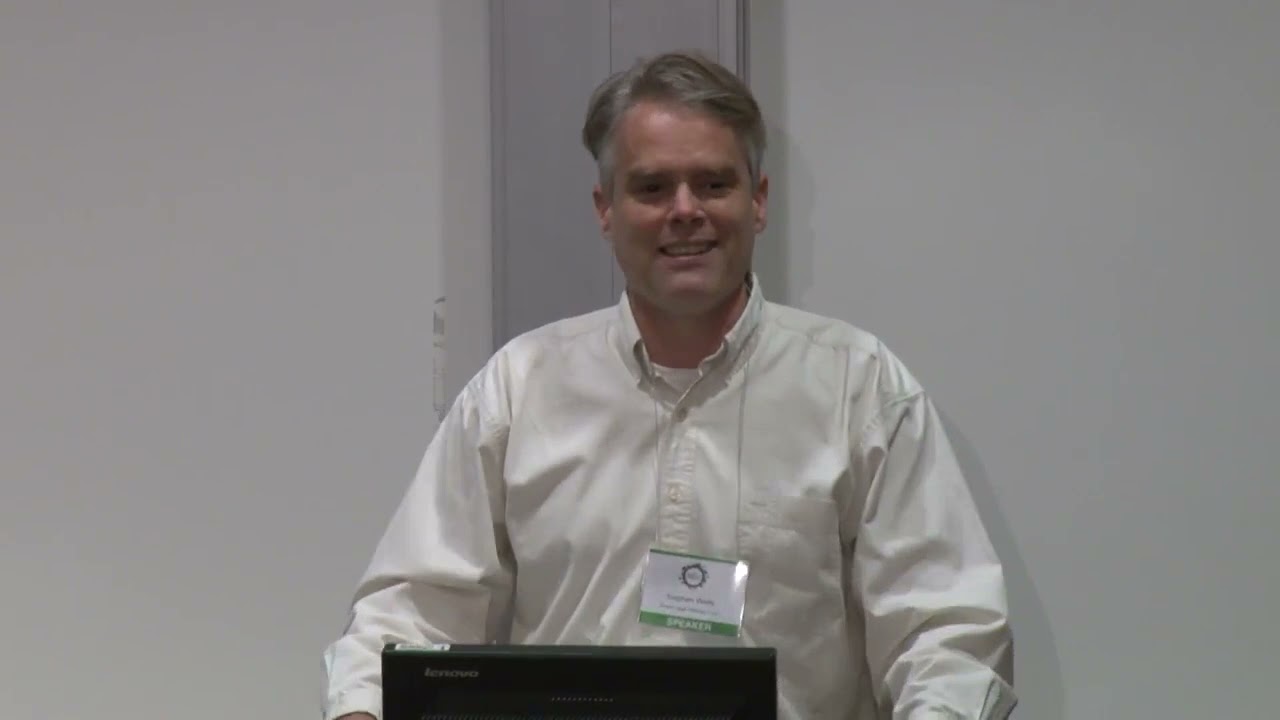
Stephen Wells, Executive Director, Animal Legal Defense Fund


The Development of Animal Law in Academia

Robert Klonoff, Dean and Professor of Law, Lewis & Clark Law School
Introductions by: Jeff Pierce, Litigation Fellow, Animal Legal Defense Fund


Saturday

8:00 – 9:00 a.m. PT

SALDF Breakfast

Plenary Panel
Paul Brest Hall in Munger Building 4

The SALDF breakfast allows students from around the country who are interested in animal law to meet, share ideas and information, and build stronger SALDF programs over coffee and vegan baked goods.

Pamela Byce, Associate Dean, Center for Animal Law Studies, Lewis & Clark Law School
Tom Linney, Pro Bono Program Director, Animal Legal Defense Fund
Nicole Pallotta, Senior Policy Program Manager, Animal Legal Defense Fund
Kelly Levenda, Student Programs Attorney, Animal Legal Defense Fund


9:30 – 11:00 a.m. PT

Working Together to Reform Factory Farming

Plenary Panel
Paul Brest Hall in Munger Building 4

Factory farming has negative impacts on animal protection, the environment, human health, farm workers, and farming communities. There are common themes that serve to unite attorneys working to protect animals, humans and the environment. This panel of legal experts will explore ways in which we can work together to confront climate change, mass abuse of animals, destruction of rainforests, damages to air quality and waterways, exploitation of farm and slaughterhouse workers and human health issues growing out of factory farming. The goal is to launch legal initiatives to support our common vision of a healthy and just planet for all inhabitants.

Kathy Hessler, Director, Animal Law Education Initiative, The George Washington University Law School
Deborah Sivas, Luke W. Cole Professor of Environmental Law
Jen Sorenson, Attorney, Litigation Team, Natural Resources Defense Council (NRDC)
Joyce Tischler, Professor of Practice, Center for Animal Law Studies, Lewis & Clark Law School
Moderator: David Cassuto, Professor of Law, Pace Law School


11:00 – 11:15 a.m. PT

Break


11:15 a.m. – 12:15 p.m. PT

Finding New Ways to Protect Animals: Civil Legislative Solutions for Criminal Acts

Plenary Panel
Paul Brest Hall in Munger Building 4

Criminal statutes prohibiting animal cruelty are only as effective as the prosecutors who choose to enforce them. Even the most enthusiastic prosecutor may be constrained by limited resources, political pressures, and evidentiary hurdles. Some states offer a solution: giving citizens the power of civil enforcement. Judges in these states can grant preliminary and permanent injunctions and determine the animal’s care and custody. In this panel we will discuss which states have this sort of legislation, looking closely at a recent application of North Carolina’s Section 19A, and consider how to create a nationwide trend of allowing civil injunction to stop animal cruelty.

Scott Heiser, Director, Criminal Justice Program, Animal Legal Defense Fund
Gavin Parsons, Partner, Troutman Sanders LLP
Moderator: Jenni James, Counsel, Legal Innovations Team, PETA Foundation


12:15 – 1:15 p.m. PT

Lunch


1:30 – 2:15 p.m. PT

Demystifying Jury Selection: The Right Tools for the Job

Plenary Panel
Paul Brest Hall in Munger Building 4

Jury selection is often the weak part of a courtroom lawyer’s game — certainly one of the most anxiety-producing tasks as counsel gets closer to the trial date. Noted trial consultant Rich Matthews says that not only should jury selection not be feared, it must be embraced in order for lawyers to do their best. He will discuss the best tools and techniques for jury selection, promising that lawyers will feel more confident going into their next trial. Rich invites everyone to follow his Juryology blog as a resource for jury persuasion and techniques.

Richard P. Matthews, Senior Trial Consultant, Juryology – Trial Consulting & Jury Studies
Moderator: Scott Heiser, Director, Criminal Justice Program, Animal Legal Defense Fund


2:15 – 2:30 p.m.

Break


2:30 – 3:30 p.m. PT

Current Cases and Legislation: What’s Hot?

Plenary Panel
Paul Brest Hall in Munger Building 4

The field of animal law is developing at a blazing speed, and it can be hard to stay on top of the latest, and most important developments. But, not to worry. Animal Legal Defense Fund litigation and legislation experts are here to share with you the most important and exciting recent state and federal animal law developments and how they may impact your practice and the future direction of the field.

Carter Dillard, Senior Policy Advisor, Animal Legal Defense Fund
Chris Green, Executive Director, Animal Legal Defense Fund
Moderator: Sarah Luick, Board Chair, Animal Legal Defense Fund


3:30 – 3:45 p.m. PT

Break


3:45 – 5:30 p.m. PT

You Want Me to Eat What? Learn How Business is Trending to Meat Alternatives

Plenary Panel
Paul Brest Hall in Munger Building 4

Test-tube hamburgers are making headlines, and supporters from Biz Stone to Bill Gates have backed high-tech alternatives to animal products as foods for a new, more sustainable generation. What is “faux meat,” and is anyone buying? This panel will also explore the opportunities and potential challenges that exist within the current legislative and regulatory environment as plant-based alternatives to the products of factory farms hit the mainstream.

David Benzaquen, Founder and CEO, PlantBased Solutions
Dr. Patrick Brown, Professor of Biochemistry, Stanford School of Medicine
Josh Tetrick, CEO, Hampton Creek Foods
Moderator: Lisa Franzetta, Director of Communications, Animal Legal Defense Fund


5:30 – 9:00 p.m. PT

Banquet Dinner, Awards Ceremony and Keynote Address


5:30 p.m. PT

Dinner Begins


5:45 p.m. PT

Awards Ceremony

The Animal Legal Defense Fund will present the 2013 Advancement in Animal Law Pro Bono Achievement Awards. Awards will also be presented for: Animal Law Leadership and Student Animal Legal Defense Fund Chapter of the Year.

Attorney Recipients:
– Virginia Coleman, Ropes & Gray LLP
– Anthony Eliseuson, Dentons US LLP
– Zachary Golden, Ropes & Gray LLP
– Erik Ideta, Troutman Sanders LLP
– Alison Langlais, Proskauer Rose LLP
– Jessica Rostoker, Latham & Watkins LLP
– David Zaft, Caldwell Leslie & Proctor, PC

Law Firm Award Recipients:
– Bingham McCutchen, LLP
– Fenwick & West, LLP
– Gibson, Dunn & Crutcher, LLP
– HendlerLaw Irell & Manella, LLP
– Kirkland & Ellis, LLP
– McKenna Long & Aldridge, LLP
– Moye White, LLP
– Orrick, Herrington & Sutcliffe, LLP
– Steptoe & Johnson, LLP
– Winston & Strawn, LLP

Pamela Byce, Associate Dean, Center for Animal Law Studies, Lewis & Clark Law School
Pamela Frasch, Founder, Center for Animal Law Studies, Lewis & Clark Law School


7:15 – 8:15 p.m. PT

Keynote Address

Jane Velez-Mitchell, Television Journalist
Introductions by: Pamela Byce, Associate Dean, Center for Animal Law Studies, Lewis & Clark Law School


Sunday

8:00 – 9:00 a.m. PT

Careers in Animal Law Breakfast

Plenary Panel
Room 290

Creative Employment Opportunities: What are the paths taken by law students and lawyers to secure rewarding careers in animal law? What can students do while still in law school to increase their chances of landing an animal law job? Viewed from various sectors, learn what works from this panel of legal experts.

Nicole Roth, Contract Attorney, Orrick, Herrington & Sutcliffe
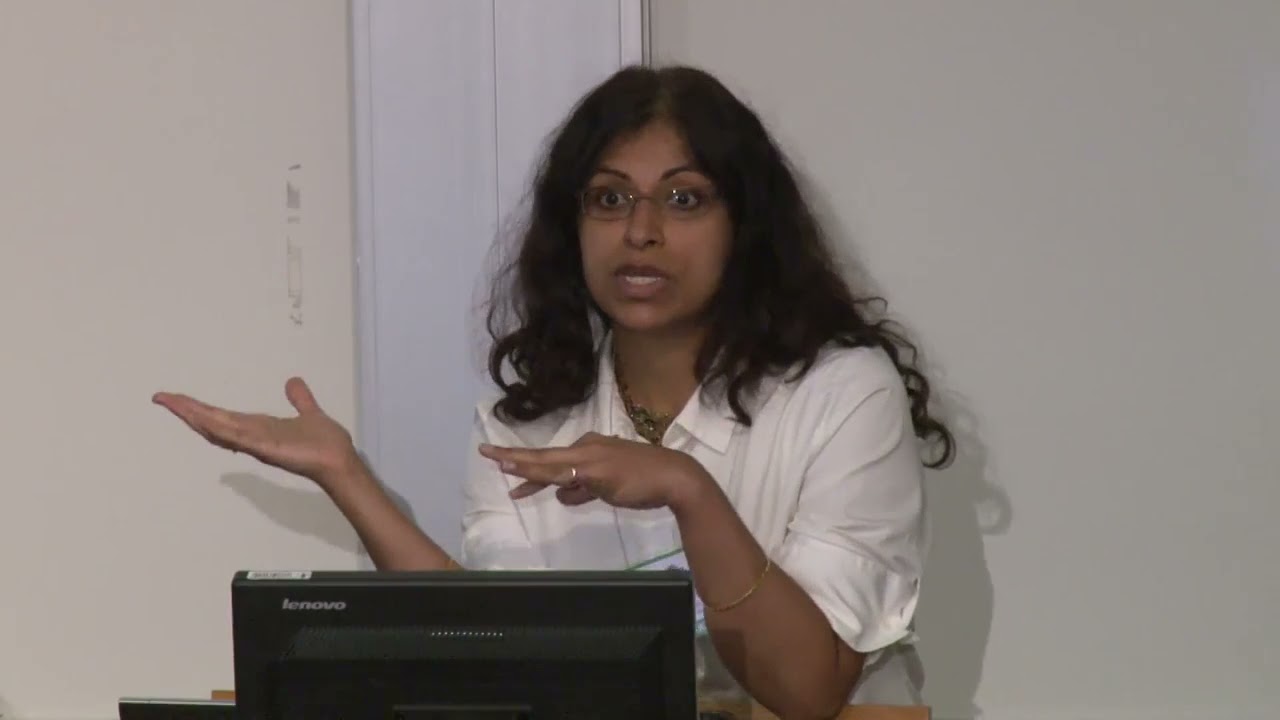
Meena Alagappan, Executive Director, Humane Education Advocates Reaching Teachers (HEART)
Tom Linney, Pro Bono Program Director, Animal Legal Defense Fund
Moderator: Pamela Byce, Associate Dean, Center for Animal Law Studies, Lewis & Clark Law School


9:00 – 9:15 a.m. PT

Break


9:15 – 10:15 a.m. PT

Working on an International Level to Replace, Reduce, Refine the Use of Animals in Research and Testing: Where Do We Go From Here?

Concurrent Panel
Room 190

Which countries are the most progressive and which are the least progressive when it comes to using animals in research? What can we, as legal professionals, do to help reduce and replace the use of animals in research and testing abroad while we live in the U.S.? This panel will explore animal testing in Europe, South America, and Asia, with a particular focus on the 2013 EU Cosmetic Directive, Horizon 2020, international legal limitations, harmonization challenges, and what the U.S.-based advocate can do to assist in changing the research paradigm that will help animals.

David Cassuto, Professor of Law, Pace Law School
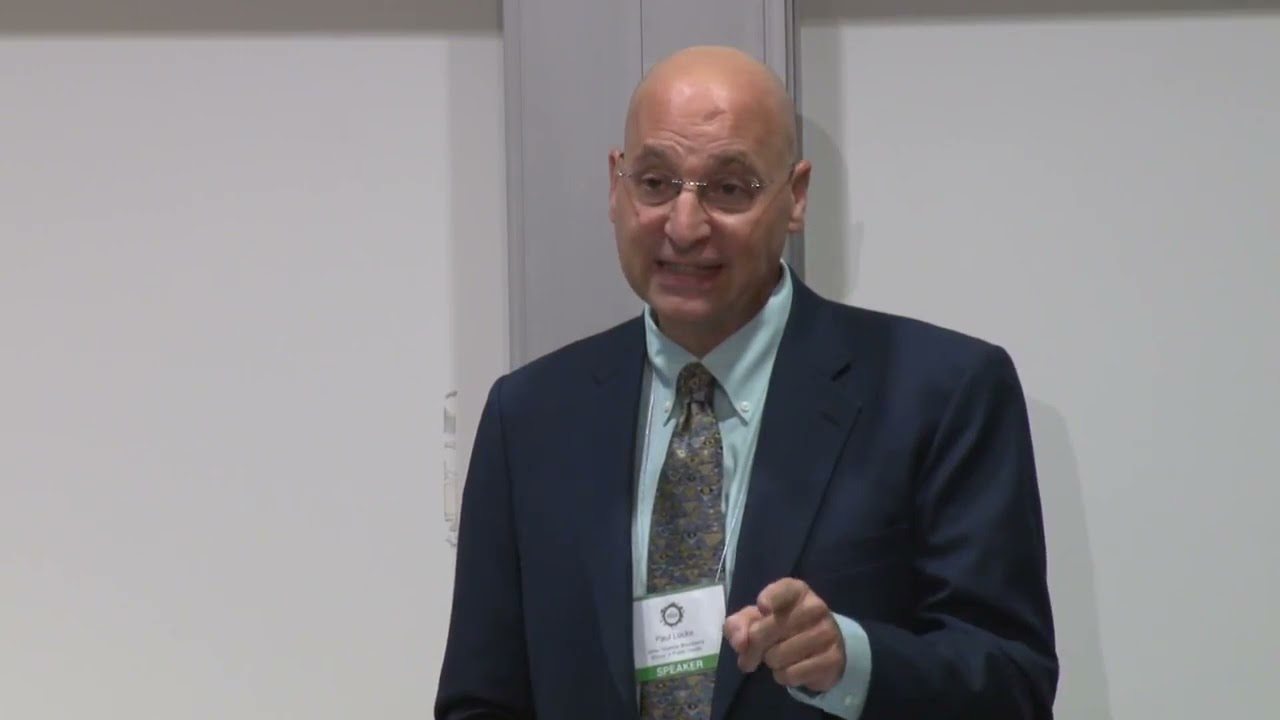
Paul Locke, Professor, Johns Hopkins Bloomberg School of Public Health
Speaker/Moderator: Pamela Frasch, Founder, Center for Animal Law Studies, Lewis & Clark Law School


9:15 – 10:15 a.m. PT

What Are Our Ethical Duties to Wildlife?

Concurrent Panel
Room 290

The past few years have marked a shift in human perception of wildlife, with many accepting that wildlife ought to be free to live independent of humans. Yet, this sentiment has not been reflected in our legal system. This panel takes an ethical/rights approach to wildlife, as opposed to the traditional hunting/conservation/management course. It is a discussion of wildlife within a “rights” paradigm, focusing on what rights wildlife ought to have and what laws should be created in our courts, legislature and/or federal agencies to allow for these rights to be recognized and enforced.

David Favre, Professor of Law, College of Law, Michigan State University
Paul Waldau, President, Religion and Animals Institute
Moderator: Amy Jesse, 2L, Lewis & Clark Law School


10:15 – 10:30 a.m. PT

Break


10:30 – 11:30 a.m. PT

The Intersection of Animal Law, Race, Culture and Gender

Concurrent Panel
Room 190

Critical race theory and postcolonial feminism have highlighted how our identities form at the intersections of a multitude of social and biological factors, including race, class, culture, sexuality, gender, ability, and species. An intersectional analysis of oppression insists on highlighting how these factors interact to create and contest existing distributions of social and political power, including exploitation of animals. How can an intersectional approach to animal law enrich our analysis of exploitation and foster more effective coalitional advocacy? Professor Deckha and Professor Kim will discuss theories of intersectionality and apply them to topical issues in animal law, including the movement for animal personhood, campaigns against live animal markets, and the Michael Vick dogfighting case.

Claire Jean Kim, Associate Professor of Political Science, School of Social Sciences, University of California Irvine
Maneesha Deckha, Professor; Lansdowne Chair in Law, University of Victoria Faculty of Law
Moderator: Matthew Liebman, Associate Professor & Chair of the Justice for Animals Program, University of San Francisco School of Law


10:30 – 11:30 a.m. PT

Gene modification: Ethical Implications of Using Animals and Humans to Experiment On

Concurrent Panel
Room 290

Genetic engineering of animals has increased significantly in recent years, and the use of this technology brings with it ethical issues, some of which relate to animal welfare and some of which relates to whether non-human animals should be used at all. As a result of the extra challenges that genetically engineered animals bring, are governing bodies developing relevant regulations and policies that call for increased vigilance and monitoring of potential animal welfare impacts? If not, why not, and if so, how effective are those regulations and policies, and how can they be improved? What is the role of the animal law community in this process and are there available legal challenges?

Taimie Bryant, Professor of Law, UCLA School of Law
Patty Lovera, Assistant Director, Food & Water Watch
Moderator: Taylor Duty, 3L, Lewis & Clark Law School


11:30 – 11:45 a.m. PT

Break


11:45 a.m. – 12:45 p.m. PT

The Police Shot My Dog

Concurrent Panel
Room 190

There is an increased concern and awareness about the encounters law enforcement agents have with dogs that result in officers shooting and fatally wounding the dog. Dog owners have recently been successful in landmark cases and have been awarded substantial monetary damages based on federal civil rights violations. Police officers may also be facing criminal sanctions. Law enforcement authorities recognize that they need to provide training and strategic plans for their officers regarding dog encounters. They need to become educated about the alternatives to the use of lethal force. This involves both education and accountability. This panel will discuss the legal precedents and the training and directives evolving within the law enforcement community.

Scott Sargent, Captain II, Use of Force Division, The Los Angeles Police Department
Karen L. Snell, Civil Rights Attorney
Moderator: Diane Balkin, Senior Staff Attorney, Animal Legal Defense Fund


11:45 a.m. – 12:45 p.m. PT

Ag gag: Litigation, Legislation and Other Approaches to Countering This Trend

Concurrent Panel
Room 290

In the last few years, legislators in states across the country have introduced dozens of bills to criminalize undercover investigations at factory farms and slaughterhouses. These “ag gag” bills are the meat, egg, and dairy industries’ response to a plethora of exposés by animal protection organizations that have revealed gruesome animal cruelty and routine industry practices that cause immense animal suffering. In most instances, the animal protection movement has rallied to defeat these “ag gag” bills, but such laws are now on the books in six states. Earlier this year, the Animal Legal Defense Fund and People For the Ethical Treatment of Animals filed a federal lawsuit to have Utah’s ag gag law declared unconstitutional, the first lawsuit of its kind. This panel will feature two of the lead attorneys on the case, who will discuss the constitutionality of ag gag laws and provide updates on the case.

Justin Marceau, Associate Professor, University of Denver, Sturm College of Law
Matthew Liebman, Associate Professor & Chair of the Justice for Animals Program, University of San Francisco School of Law
Moderator: Nicole Roth, Contract Attorney, Orrick, Herrington & Sutcliffe


12:45 – 1:00 p.m. PT

Closing Remarks

Room 190 & 290
Stephen Wells, Executive Director, Animal Legal Defense Fund
Pamela Frasch, Founder, Center for Animal Law Studies, Lewis & Clark Law School


Meena Alagappan

Executive Director
Humane Education Advocates Reaching Teachers (HEART)

Diane Balkin

Senior Staff Attorney
Animal Legal Defense Fund

David Benzaquen

Founder and CEO
PlantBased Solutions

Dr. Patrick Brown

Professor of Biochemistry
Stanford School of Medicine
Member
Stanford Cancer Institute

Taimie Bryant

Professor of Law
UCLA School of Law

Pamela Byce

Associate Dean
Center for Animal Law Studies, Lewis & Clark Law School

David Cassuto

Professor of Law
Pace Law School
Director
Brazil-American Institute for Law and Environment (BAILE)

Maneesha Deckha

Professor; Lansdowne Chair in Law
University of Victoria Faculty of Law

Carter Dillard

Senior Policy Advisor
Animal Legal Defense Fund

Taylor Duty

3L
Lewis & Clark Law School

David Favre

Professor of Law
College of Law, Michigan State University

Pamela Frasch

Founder
Center for Animal Law Studies, Lewis & Clark Law School

Chris Green

Executive Director
Animal Legal Defense Fund

Scott Heiser

Director
Criminal Justice Program, Animal Legal Defense Fund

Kathy Hessler

Director
Animal Law Education Initiative, The George Washington University Law School

Jenni James

Counsel
Legal Innovations Team, PETA Foundation

Jane Velez-Mitchell

Television Journalist
Author

Amy Jesse

2L
Lewis & Clark Law School

Claire Jean Kim

Associate Professor of Political Science, School of Social Sciences
University of California Irvine

Robert Klonoff

Dean and Professor of Law
Lewis & Clark Law School

Richard E. Lang

Professor of Law and Dean
Stanford Law School

Kelly Levenda

Student Programs Attorney
Animal Legal Defense Fund

Matthew Liebman

Associate Professor & Chair of the Justice for Animals Program
University of San Francisco School of Law

Tom Linney

Pro Bono Program Director
Animal Legal Defense Fund

Lisa Franzetta

Director of Communications
Animal Legal Defense Fund

Paul Locke

Professor
Johns Hopkins Bloomberg School of Public Health

Patty Lovera

Assistant Director
Food & Water Watch

Sarah Luick

Board Chair
Animal Legal Defense Fund

M. Elizabeth Magill

Justin Marceau

Associate Professor
University of Denver, Sturm College of Law

Richard P. Matthews

Senior Trial Consultant
Juryology – Trial Consulting & Jury Studies

Nicole Pallotta

Senior Policy Program Manager
Animal Legal Defense Fund

Gavin Parsons

Partner
Troutman Sanders LLP

Jeff Pierce

Litigation Fellow
Animal Legal Defense Fund

Nicole Roth

Contract Attorney
Orrick, Herrington & Sutcliffe
Board Member
Animal Legal Defense Fund

Scott Sargent

Captain II, Use of Force Division
The Los Angeles Police Department

Deborah Sivas

Luke W. Cole Professor of Environmental Law
Director, Environmental Law Clinic
Stanford Law School

Karen L. Snell

Civil Rights Attorney

Jen Sorenson

Attorney, Litigation Team
Natural Resources Defense Council (NRDC)

Josh Tetrick

CEO
Hampton Creek Foods

Joyce Tischler

Professor of Practice
Center for Animal Law Studies, Lewis & Clark Law School

Paul Waldau

President
Religion and Animals Institute

Stephen Wells

Executive Director
Animal Legal Defense Fund

Our conference panelists submitted the following materials. The materials, although not necessarily written by the individual panelists, are relevant to their panel topics. These are also the materials applicable to MCLE registrants.

Working Together to Reform Factory Farming


Finding New Ways to Protect Animals: Civil Legislative Solutions for Criminal Acts


Current Cases and Legislation: What’s Hot?


Ethics and Animal Issues


Careers in Animal Law Breakfast


See also ALDF’s employment page and the Opportunities in Animal Law page.

Working on an International Level to Replace, Reduce, Refine the Use o Animals in Research and Testing


What Are Our Ethical Duties to Wildlife?


The Police Shot My Dog


Ag gag: Litigation, Legislation and Other Approaches to Countering This Trend

Mandatory Continuing Legal Education (MCLE, or CLE) credits will be available for conference attendees who register for CLE during online conference registration. The Animal Law Conference has been approved for 13.0 CLE credits and 1.0 EPR (Ethics and Professional Responsibility) credit by the Supreme Court of Wisconsin Board of Bar Examiners. We have also been approved for 9.5 General CLE credits and 1 Ethics credit through the Oregon State Bar. In addition, we have been approved for 10.25 MCLE credits, including 1 Ethics hour, through the State Bar of California. Attendees registered for CLE credits for the conference will receive a certificate of attendance at the conference and will be asked to fill out a sign-in sheet during registration. Certificates of attendance may also be requested via email after the event.

Please direct any questions relating to CLE credits to events@aldf.org.

Information via the American Bar Association (ABA) regarding MCLEs.

Watch all sessions here

Playlist

20 Videos