Standing Up for Animals: Can a Bad Economy Inspire Greater Goodness? brought together animal law practitioners, scholars, students, and advocates in Portland, Oregon, for a weekend of discussion on the challenges and opportunities facing animals during times of economic uncertainty. Hosted at Lewis & Clark Law School, the conference examined how legal advocacy, ethics, and innovation can advance animal protection even in difficult social and economic climates.
Dates & Location
October 14–16, 2011
Lewis & Clark Law School
Portland, Oregon
Highlights & Reflections
The conference opened Friday evening with a welcome reception and keynote address at The Benson Hotel. Joyce Tischler, founder and general counsel of the Animal Legal Defense Fund, delivered the opening keynote, setting the stage for a weekend focused on resilience, creativity, and collaboration within the animal law movement.
Saturday’s sessions explored a wide range of topics, including ethical dilemmas in animal law practice, emerging alternatives to animal testing, and the latest developments in litigation and legislation. Panels addressed interdisciplinary approaches to animal law, criminal enforcement of animal cruelty laws, global animal protection challenges, and the practical role of transactional law in advancing animal interests. Additional sessions examined the legal needs of sanctuaries, the financial challenges facing animal shelters, exotic animal policy, and international perspectives on animal law. The day concluded with a banquet dinner and keynote address by Dr. Bernard Rollin, who reflected on the growing mainstream acceptance of animal rights.
Sunday’s programming focused on advocacy, culture, and future directions for the field. Panels explored vegan nutrition and public health, cultural perspectives on animals we eat and animals we love, competing legal interests of animals and their guardians, and wildlife protection. Additional sessions examined private prosecutions in Canada, creative advocacy strategies, food labeling transparency, and the development of new legal theories to advance animal protection. The conference concluded with a student career summit and closing remarks emphasizing the importance of perseverance and innovation in advancing animal law.
Standing Up for Animals: Can a Bad Economy Inspire Greater Goodness? continued the Animal Law Conference’s tradition of providing rigorous legal education, thoughtful dialogue, and meaningful networking for those committed to strengthening legal protections for animals.
Friday
Welcome Reception & Keynote Address
The conference kicked off with an evening reception. Attendees enjoyed appetizers and drinks while networking with fellow conference participants.
Keynote Address
Introductions and Welcome
Michelle Pawliger, SALDF Co-Director, Lewis & Clark Law School
Pamela Frasch, Assistant Dean, Animal Law Program and Executive Director, Center for Animal Law Studies at Lewis & Clark Law School
Kathy Hessler, Clinical Director, Center for Animal Law Studies at Lewis & Clark Law School
Jaclyn Leeds, SALDF Student Conference Coordinator, Lewis & Clark Law School
Holly Gann, SALDF Co-Director, Lewis & Clark Law School
Saturday
The Ethical (Human) Animal
Get your blood pumping early in the morning with ethics Professor Steve Johansen and animal law expert Russ Mead as they lead attendees on a fast-paced journey through some of the most challenging ethical dilemmas animal law attorneys face in practice today. Interactive and thought-provoking, applicable attendees will receive 1.25 Oregon ethics CLE credits.
SALDF Breakfast
The SALDF breakfast allows students from around the county who are interested in animal law to meet, share ideas and information, and build stronger SALDF programs over coffee and vegan baked goods. *Continental breakfast available for all others in the lower level of Wood Hall at Lewis & Clark Law School.
Humane Science: Is the End of Animal Testing Within Reach?
As a result of heightened public concern about harm from chemical exposure and increasing demand for legal reform to protect people, wildlife and the environment from toxins, there is evidence of an emerging shift in how chemicals are tested. In response to the National Research Council’s vision and strategy for toxicity testing, what steps should lawyers, regulators and policymakers take to ensure that chemical testing protects public health? This panel will explore these questions as well as examining how these new developments might affect the future of animal testing.
What’s New in Litigation & Legislation?
This panel will lay out the hot topics under current Congressional consideration, as well as individual states’ progress in animal legislation. The panel will also discuss recent cases of interest to the animal law movement.
Talking to Cattlemen: Finding Common Ground
This panel will explore effective ways to build bridges between putatively hostile or distrustful groups. Dr. Bernard Rollin will discuss his personal experiences working directly with cattlemen associations to improve conditions for animals. He will also read from his autobiography Putting the Horse Before Descartes. Dr. Rollin will be available to sign copies of his book immediately following this talk.
Drawing Connections Between Animal Law and Other Disciplines
When disciplines intersect, there is often great opportunity to discover unexpected links and to think about problems from new vantage points. This panel will examine animal law through an interdisciplinary lens, focusing on related academic areas such as moral philosophy, critical theory, and feminist theory.
Enforcement: Building a Case Against Cruelty
This panel will explore how to build a criminal case against an animal abuser, including working with police and local animal organizations. It will examine the difficulties faced by prosecutors and the solutions they have had to craft to put people who harm victims that can’t testify behind bars.
Pets du Jour
This panel is intended to tap into and discuss the popular trends in pet ownership and how those trends affect animals when they are no longer popular. This panel will discuss how human preferences change and how that changes the pets they bring into their homes.
Lunch
Practicing Animal Law: Why Contracts, Wills and Business Law Matter to Animals
Animals need more than litigators; they need lawyers who can act as counselors and intermediaries, draft contracts and trusts and provide legal services for businesses (for profit and non-profit) that provide goods and services to help animals. This panel will focus on the transactional opportunities lawyers have to help animals.
Global Animal Concerns
Addressing certain animal issues is not possible without a global conversation. Species and habitat conservation, climate change, trade, and economics all affect even domestic efforts to help animals. These experts will discuss global efforts to address some of the problems facing animals.
International Voices in Animal Law: Switzerland & Egypt
This panel gives attendees a chance to learn from these international animal law pioneers about exciting new developments in Switzerland and Egypt.
Using Your Law Degree to Help Sanctuaries
Every good sanctuary has one or more lawyers working for it, and legal training and expertise are invaluable assets to running and protecting a home for rescued animals. Bruce Wagman and Sarah Baeckler will discuss the wide range of roles lawyers play in the life of a sanctuary. Topics will cover the broad range of the speakers’ experience, including: establishing a nonprofit corporation; litigating on behalf of the sanctuaries and their animals; negotiating rescues; undercover investigations; public advocacy and campaigns; managing human resources; and the variety of contractual situations that arise running a sanctuary.
Shelter in the Storm
What happens to animal shelters, humane societies and rescue organizations when the funding dries up? More importantly, what happens to the animals they serve? This panel takes a hard look at the hard times shelters face when the economy suffers. Ledy VanKavage and Amy Sacks are two of the most respected experts on sheltering animals and will report from the frontlines on the harsh realities companion animals face in a bad economy.
Exotic Pets, People, Public Policy - Individuals Count!
Why are there special legal precautions taken with exotic pets? What are some of the public policies pertaining to exotic pets? Come learn the answers to these questions and more! This session will also explore the recent changes to the Dangerous Wild Act Schedule from a European perspective as well as outline the history of organizations working on these issues such as, the Born Free Foundation and Born Free USA.
Drinks & Appetizers
Banquet Dinner, Keynote Address & Book Signing
Keynote Address: Animal Rights as a Mainstream Phenomenon
Book Signing to follow Keynote Presentation
Introductions and welcome
Sunday
Eating Healthy for You and the Animals: Breakfast with a Vegan Chef
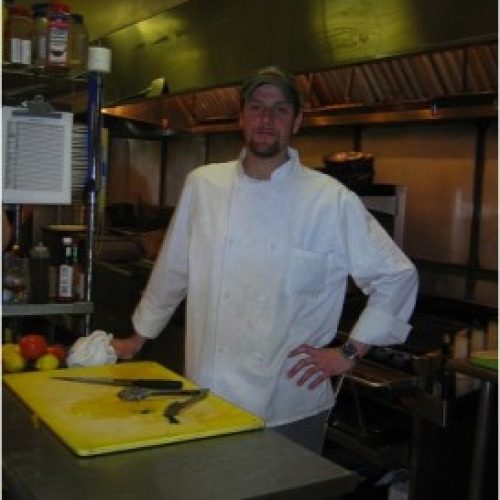
Join Ethan Davidsohn, Sous Chef of Bon Appetit, as he guides us through the preparation of a delectable vegan breakfast, and imparts his wisdom on eating both healthy and vegan. Grab some breakfast in the hall on your way to the talk!
Making Cultural Judgments - Animals We Eat; Animals We Love
Is it condescending, racist and culturally imperialistic for Americans to demand that other cultures stop eating dog, horse or bush meat when we eat chickens, cows, pigs and others? Are there rational distinctions to be made between raising pigs for slaughter and raising dogs for slaughter? This panel explores the ethical issues that arise when animal-based cultural traditions are challenged by outsiders.
Who’s Case is it Anyway? Animals’ vs. Owners’ Interests in Litigation
What if animals had legal rights? This panel provides two different viewpoints on why animal don’t have right, whether they should have rights, and the implications of such rights for practitioners.
Wolf Reintroduction, Management and Protection
Wolves are now protected by both the state and federal Endangered Species Acts. This panel will discuss the controversy in legislation and litigation currently relating to wolves.
Taking Matters into our Own Hands: Private Prosecutions and the Enforcement of Canadian Animal Protection Legislation
In Canada, as in most jurisdictions, prosecutors and regulatory agencies generally remain far too hesitant in enforcing legislation intended to punish acts of cruelty against animals. Given the status quo, some advocates have begun thinking of a different course, and rather than attempting to reform the system in hope of a “new” prosecution framework, they’ve turned their attention instead to a historical relic: the power held by any citizen to institute a “private” prosecution against a person who has contravened the criminal law. In Canada, any citizen is entitled to gather evidence of wrongdoing and lay charges against an alleged offender in an effort to enforce the law. Neither the police nor government enforcement agencies need be involved in order for a prosecution to go forward.
Private prosecutions offer tantalizing potential for animal advocates and could ultimately prove useful both in deterring certain types of animal mistreatment and in raising the profile of the battle to reduce animal abuse. Nonetheless, this avenue is hardly a panacea, and before going forward it will be necessary for would-be prosecutors to address a number of significant obstacles that are likely to arise. In this presentation, we intend to assess the viability of a private prosecution under Canadian federal law protecting against animal cruelty. We shall look at the source of the power to prosecute privately, the benefits prosecutions of this sort might deliver and the particular challenges posed in cases involving the institutional mistreatment of animals.
Enough Already. DO Something for Animals!
Animal Advocates Mariann Sullivan and Jasmin Singer are the brains behind the hugely successful online animal rights organization and podcast, Our Hen House. Learn from these inspirational entrepreneurs about how each and every one of us can make a significant difference for the animals by unleashing our creativity, being doggedly persistent and following our dreams to create a better world for animals.
International Voices in Animal Law: Canada & Mexico
This panel gives attendees a chance to learn from these international animal law pioneers about exciting new developments in the countries that sandwich the United States.
Lunch
Developing New Legal Theories to Help Animals: Benefits and Limitations
By examining specific proposals for new litigation, this panel will explore the role of creativity and innovation in the work of animal law practitioners. Are novel and creative readings of existing law likely to push animal interests forward through the legal system? Or will our groundbreaking legal theories inevitably stumble as they clash with the prevailing and pervasive speciesism of that system?
Where Did Your Food Really Come From? A Guide to Food Labeling
What does “cage-free” and “organic” really mean? This panel will touch upon the current standards for the labels we read in the grocery store ”“ the advantages and deceptions of affirmative labeling.
Student Career Summit
Speakers from a variety of professional backgrounds (non-profit, government, academia, law firms, etc.) will present ideas about how to build animal law into your career after law school. The format for this session will be “round-table,” with presenters sharing their personal experiences yet also allowing plenty of time for audience questions and comments. Bring your ideas!
Sara Amundson

Bruce Berning

Bonnie L. Hays

Rebeka Breder
Taimie Bryant
David Cassuto

Pete Castleberry
Ethan Davidsohn

Sarah Baeckler Davis

Maneesha Deckha

Carter Dillard

Dr. Geordie Duckler
Will Fantle
David Favre

Pamela Frasch

Sophie Gaillard
Holly Gann
Laura Handzel

Scott Heiser

Kathy Hessler
Rebecca Huss
Steve Johansen

Deborah Knaan
Jaclyn Leeds

Matthew Liebman

Paul Locke
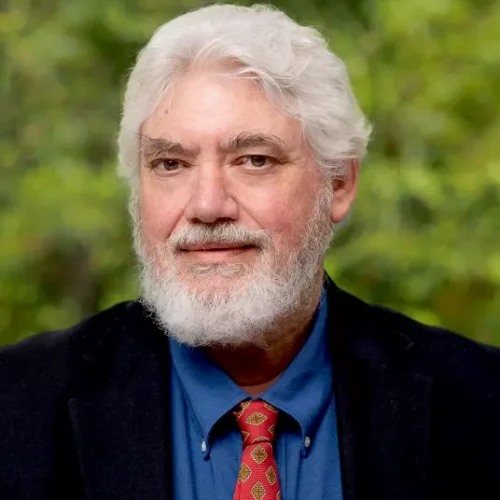
Russ Mead

Teresa Menendez-Taboada

Russ Morgan
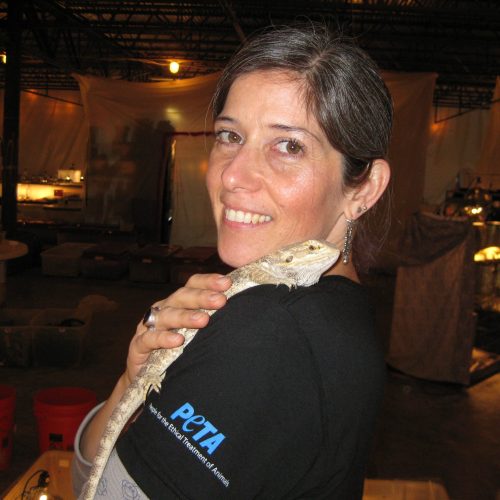
Daphna Nachminovitch
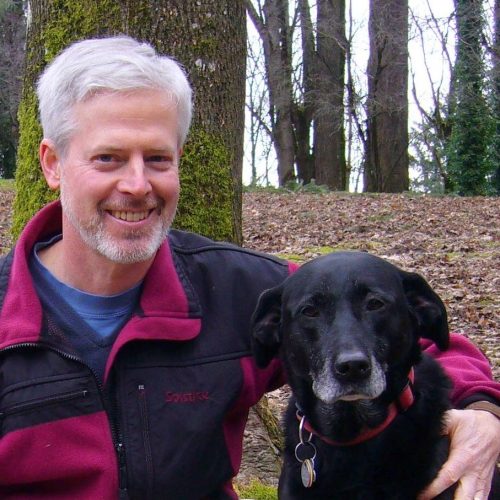
Eric Nagle

Nicole Pallotta

Michelle Pawliger
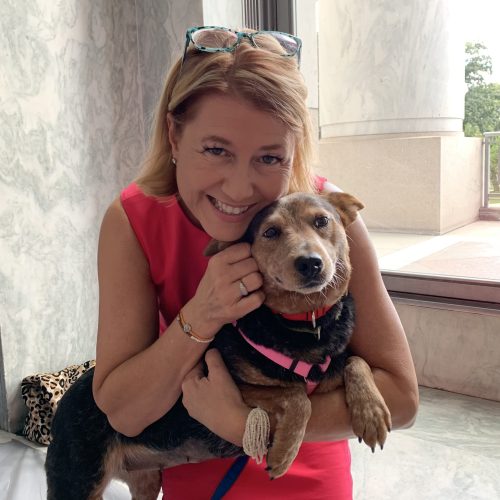
Nancy Perry
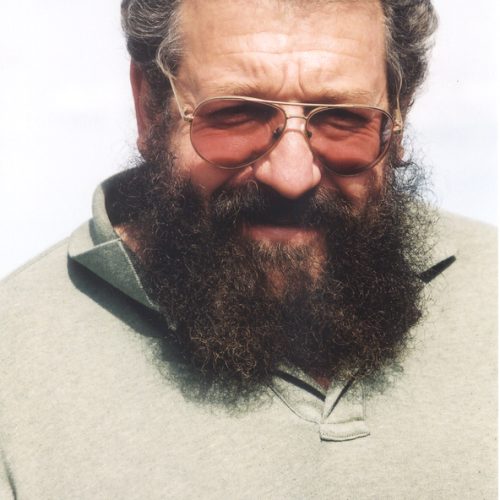
Dr. Bernard Rollin

Amy Sacks

Peter Sankoff
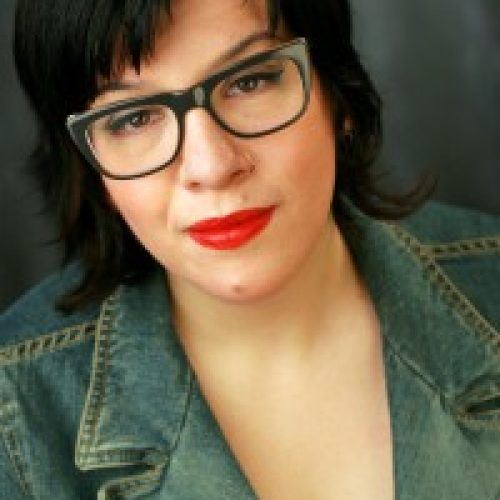
Jasmin Singer

Nick Stack

Kristen Stilt

Saskia Stucki
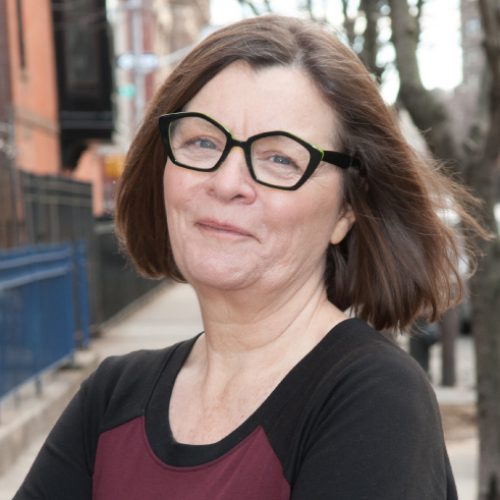
Mariann Sullivan

Joyce Tischler
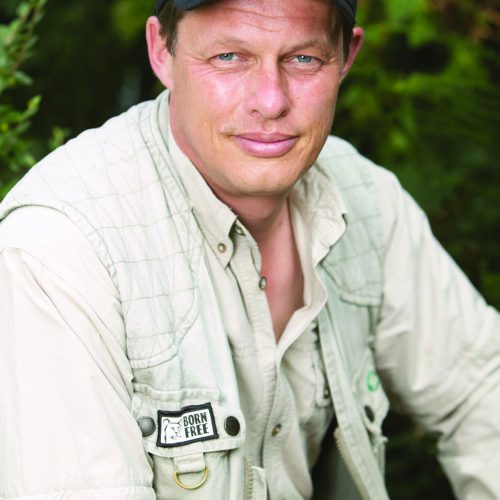
Will Travers

Ledy VanKavage
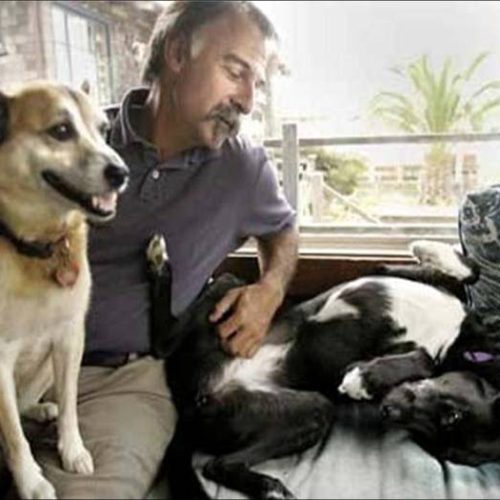
Bruce Wagman

Deborah Wood
The following materials were submitted by our conference panelists. The materials, although not necessarily written by the individual panelists, are relevant to their panel topics. These are also the materials applicable to MCLE registrants.
Practicing Animal Law: Why Contracts, Wills and Business Law Matter to Animals
- Berning, B. (2011, October). Contracts: A winning strategy for business managers and lawyers working together. The Animal Law Conference at Lewis & Clark Law School, Portland, OR.
- Stark, Tina L. (Ed.). (2003). Negotiating and Drafting Contract Boilerplate. New York, NY: ALM Publishing. (Suggested reading; electronic copy not available).
- O’Prey, P., & Turitz, G. (2011). Preventing a runaway arbitration with a well-drafted arbitraion clause. Retrieved from http://apps.americanbar.org/litigation/committees/adr/articles/spring2011-runaway-arbitration-clause.html.
- Animal Policy Group website.
- Huss, R. J. (2011, October). Practicing animal law: Why contracts, wills and business law matter to animals. Panel session conducted at Standing up for animals: Can a bad economy inspire greater goodness? The Animal Law Conference at Lewis & Clark Law School, Portland, OR.
Global Animal Concerns
- Cassuto’s PowerPoint – September 2011
- Cassuto, David N., Animal Sacrifice and the First Amendment: The Case of Lukumi Babalu Aye (May 13, 2011). ANIMAL LAW AND THE COURTS: A READER, Taimie Bryant, David N. Cassuto, Rebecca Huss, eds., Thomson West, 2008.
- Cassuto, David N., Bred Meat: The Cultural Foundation of the Factory Farm (2007). Law and Contemporary Problems, Vol. 70, No. 1, pp. 59-87, 2007.
- Cassuto, David N., The Law of Words: Standing, Environment & Other Contested Terms (September 06, 2010). Harvard Environmental Law Review, Vol. 28, p. 79, 2004.
- Cassuto, David N., The CAFO Hothouse: Climate Change, Industrial Agriculture and the Law (July, 21 2010). Animals & Society Institute Policy Paper, 2010.
- Cassuto, David N., Legal Standing for Animals and Advocates (June 13, 2009). Animal Law Review, Vol. 13, No. 61, 2006.
- Cassuto, David N., Owning What You Eat: The Discourse of Food (January 22, 2010). DEMOCRACY, ECOLOGICAL INTEGRITY AND INTERNATIONAL LAW, Cambridge Scholars Press, 2010.
- Cassuto, David N. and Reed, Steven, Water Law and the Endangered Species Act (July 28, 2010). WHOSE DROP IS IT ANYWAY?: EFFECTIVE MANAGEMENT OF OUR NATION’S WATER RESOURCES, Megan Baroni, ed., 2010.
Who’s Case is it Anyway? Animals’ vs. Owners’ Interests in Litigation
- Duckler’s PowerPoint – September 2011
- Duckler, G., (2007). Animal wrongs: On holding animals to (and excusing them from) legal responsibility for their intentional acts. Journal of Animal Law & Ethics, 2:92, 91-121.
- Duckler, G., (2008). Two major flaws of the animal rights movement. Animal Law, 14:2, 179-200.
Enforcement: Building a Case Against Cruelty
- Animal Legal Defense Fund. (2008, June). A quick overview for Oregon prosecutors: Animal abuse, neglect, hoarding and fighting. Portland, OR: Heiser, S. A. (Suggested reading; electronic copy not available).
Humane Science: Is the End of Animal Testing Within Reach?
The Ethical (Human) Animal
Wolf Reintroduction, Management and Protection
- Final Rule To Identify the Northern Rocky Mountain Population of Gray Wolf as a Distinct Population Segment, 74 Fed. Reg. 15,123 (April 2, 2009) (codified at 50 C.F.R. pt. 17).
- Alliance for the Wild Rockies v. Salazar, Nos. CV 11-70-M-DWM & CV 11-71-M-DWM, 2011 LEXIS 85476 (D. Mont. Aug. 3, 2011).
- Defenders of Wildlife v. Salazar, 729 F. Supp. 1207 (D. Mont.).
Shelter in the Storm
- Oppmann, P. (May 10, 2011). When a pet’s love is all you have. CNN. Portland, OR.
- Dunham, J. and Associates, Inc. (2010). The Fiscal Impact of Trap, Neuter and Return Policies in Controlling Feral Cat Populations in the United States. Retrieved from http://www.guerrillaeconomics.biz/communitycats/methodology.pdf.
- Dunham, J. and Associates, Inc. (2009). The Fiscal Impact of Breed Discriminatory Legislation in the United States. Retrieved from http://www.guerrillaeconomics.bi/bestfriends/best%20friends%20methodology%20and%20write%20up.pdf.
Taking Matters into our Own Hands: Private Prosecutions and the Enforcement of Canadian Animal Protection Legislation
Other Links
Mandatory Continuing Legal Education (MCLE, or CLE) credits were available for both the conference and live webinar. The conference and webinar were both approved for 13.00 general credits and 1.25 ethics credits through the Oregon State Bar for a total of 14.25 CLE credits. Attendees registered for CLE credits for the conference or webinar received a certificate of attendance at the conference or after the webinar via email.
Please direct any questions relating to MCLE credits to events@aldf.org.